How to Use Spices to Enhance Both Flavor and Wellness
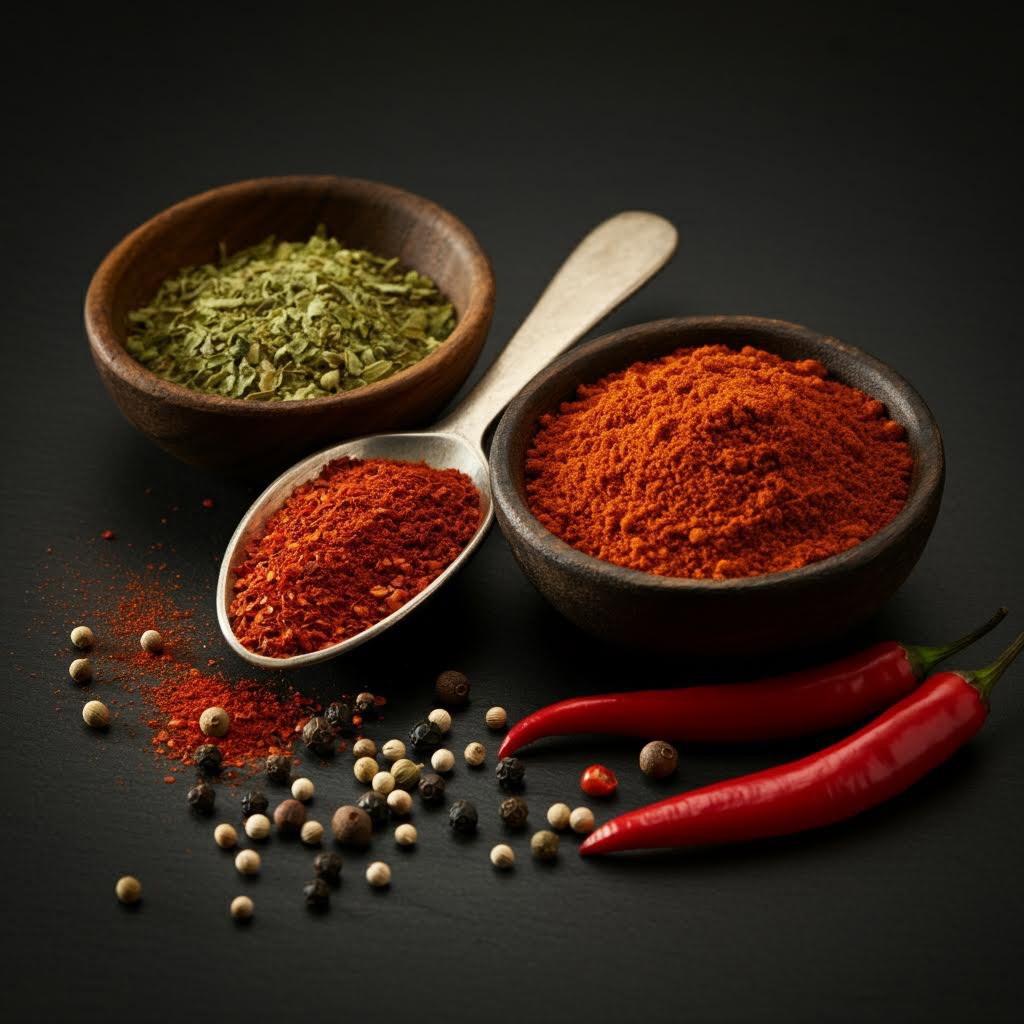
Unlock the secret to vibrant meals and a healthier you—right from your spice rack! Discover how everyday spices can transform not just your cooking, but your overall wellness, with science-backed benefits and easy tips for every kitchen.
Spices: The Ancient Bridge Between Flavor and Health
For centuries, cultures worldwide have prized spices not only for their ability to elevate dishes but also for their remarkable health-promoting properties. From the bustling markets of India to the apothecaries of ancient Greece, spices have been used to soothe ailments, boost immunity, and add depth to food. Today, modern research confirms what our ancestors knew: the right spices can enhance both flavor and wellness in every meal[1][2].
How Spices Supercharge Flavor
Spices are the culinary world’s magic wands. A pinch of cinnamon can turn bland oats into a breakfast treat, while a dash of cumin brings smoky warmth to roasted vegetables. Each spice offers a unique profile:
- Cinnamon: Sweet, woody, and slightly spicy—perfect for both sweet and savory dishes.
- Turmeric: Earthy and slightly bitter, it adds golden color and depth to curries and soups.
- Ginger: Pungent and zesty, it enlivens stir-fries, teas, and baked goods.
- Coriander: Citrusy and nutty, it brightens up salsas, stews, and marinades.
- Chili powder: Brings heat and complexity to everything from chili to chocolate.
The secret? Layering spices at different stages of cooking—blooming them in oil, adding them to marinades, or sprinkling them as a finishing touch—unlocks their full aromatic potential and creates multidimensional flavor.
Spices as Wellness Boosters: What Science Says
Beyond taste, many spices are packed with antioxidants, anti-inflammatory compounds, and other bioactive substances that support health[1][2][4]. Here’s how some of the most popular spices can benefit your body:
- Turmeric: Contains curcumin, a powerful anti-inflammatory and antioxidant. Studies show it may help reduce joint pain, support brain health, and lower the risk of chronic diseases[1][2].
- Cinnamon: Rich in cinnamaldehyde, it helps regulate blood sugar, lower cholesterol, and fight inflammation. Just 0.5–2 teaspoons daily can make a difference[2].
- Ginger: Known for easing nausea and aiding digestion, ginger also has anti-inflammatory effects and may help reduce muscle pain after exercise[1][4].
- Coriander: Used in both Ayurvedic and Chinese medicine, coriander supports digestion, soothes allergies, and acts as a mild diuretic[3].
- Garlic: Not just a flavor powerhouse, garlic is linked to heart health, immune support, and even cancer prevention due to its sulfur compounds[4].
Practical Tips: Using Spices for Maximum Flavor and Health
- Start small and experiment: Add a pinch of a new spice to familiar dishes. Gradually increase the amount as you get comfortable with the flavor.
- Bloom spices in oil: Sautéing spices in a bit of oil before adding other ingredients releases their essential oils, intensifying both aroma and health benefits.
- Mix and match: Combine spices like turmeric and black pepper—piperine in pepper boosts curcumin absorption, amplifying turmeric’s effects[2].
- Use fresh and whole spices: Whole spices retain their potency longer. Grind them just before use for maximum flavor and nutrition.
- Don’t forget herbs: Fresh herbs like parsley, mint, and cilantro add not only flavor but also vitamins and antioxidants[1][4].
Spice Blends: Wellness in Every Spoonful
Ready-made blends like garam masala, herbes de Provence, or za’atar offer a convenient way to add complexity and health benefits to meals. Make your own blends to control salt and tailor flavors to your liking.
Safety and Moderation
While spices are generally safe, some—like cinnamon and nutmeg—can be harmful in large amounts. Stick to culinary doses, and consult a healthcare provider if you have allergies or take medications that might interact with certain spices[2].
Conclusion: Spice Up Your Life, One Meal at a Time
Spices are more than just flavor enhancers—they’re ancient allies in the quest for wellness. By weaving a variety of spices into your daily cooking, you can create meals that delight the senses and nourish the body. So, open your spice cabinet and start experimenting—your taste buds and your health will thank you!