Why Mindful Eating Beats Calorie Counting
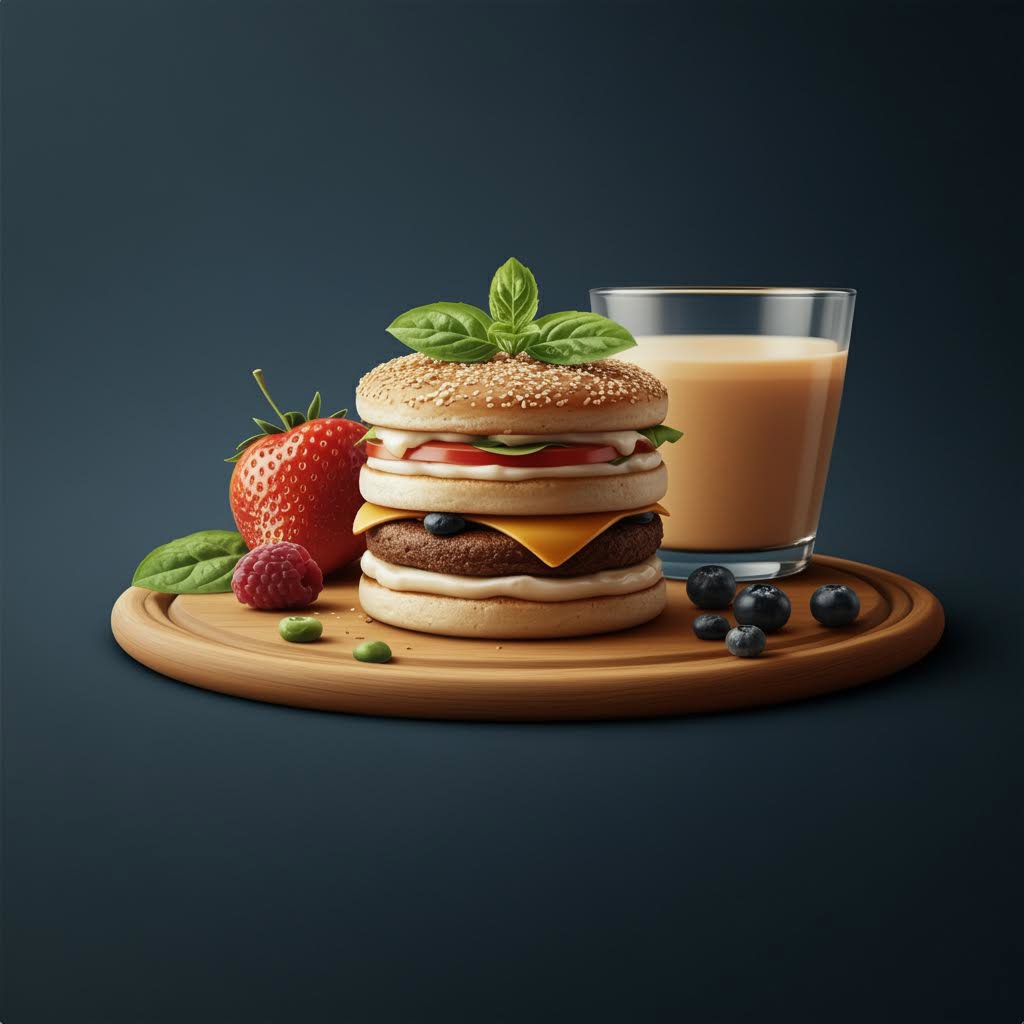
Forget the endless math of calorie counting—there’s a smarter, more satisfying way to eat. Mindful eating is taking over, and for good reason: it’s not just about what you eat, but how you eat. Here’s why tuning in to your body beats tallying every bite.
What Is Mindful Eating?
Mindful eating is the art of being fully present at the table. It’s about savoring each bite, listening to your body’s hunger and fullness cues, and appreciating the flavors, textures, and aromas of your food. Instead of obsessing over numbers, mindful eaters focus on the experience of eating—engaging all their senses and letting go of distractions and judgment. The goal? A positive, non-restrictive relationship with food that nourishes both body and mind[1][2].
Calorie Counting: The Numbers Game
Calorie counting is the classic approach: track every morsel, log every meal, and aim for a daily target. While it can offer structure, it often turns eating into a stressful numbers game. Meals become math problems, and the joy of eating can get lost in the shuffle. For many, this rigid focus on numbers leads to anxiety, guilt, and a disconnect from the body’s natural signals[1][3].
Why Mindful Eating Wins
- Long-Term Sustainability: Mindful eating isn’t a quick fix—it’s a lifestyle. By tuning in to your body’s needs, you develop habits that last. There’s no “falling off the wagon” because there’s no wagon to begin with—just a flexible, compassionate approach to food[1].
- Better Digestion: Eating slowly and chewing thoroughly, as mindful eating encourages, gives your digestive system time to do its job. This can reduce bloating and indigestion, making meals more comfortable and enjoyable[2].
- Natural Weight Management: When you listen to your hunger and fullness cues, you’re less likely to overeat or snack out of boredom. Mindful eaters often find their weight stabilizes naturally, without the need for strict calorie limits[2][3].
- Reduced Stress and Emotional Eating: Mindful eating helps you recognize when you’re eating for reasons other than hunger—like stress, sadness, or boredom. By addressing these emotions directly, you break the cycle of emotional eating[2][3].
- Improved Food Choices: When you pay attention to how food makes you feel, you’re more likely to choose nourishing options that energize you, rather than foods that leave you sluggish or unsatisfied[2].
The Pitfalls of Calorie Counting
- Obsession and Burnout: Constantly tracking calories can become exhausting and all-consuming. Many people find themselves trapped in a cycle of restriction and guilt, which can backfire and lead to overeating[1][3].
- Ignoring Body Signals: Calorie counting teaches you to trust the app, not your body. You might eat when you’re not hungry or stop eating when you’re still unsatisfied, just to hit a number[1][4].
- Quality vs. Quantity: Not all calories are created equal. Focusing solely on numbers can lead to poor food choices—like opting for low-calorie processed snacks over nutrient-rich whole foods[2][3].
How to Practice Mindful Eating
- Plan with Purpose: Start with a thoughtful shopping list, prioritizing fresh, whole foods over processed options[2].
- Start Small: Serve yourself smaller portions and use side plates to help control serving sizes without feeling deprived[2].
- Engage Your Senses: Notice the colors, textures, and aromas of your food. Take time to appreciate each bite, and try to identify the ingredients and spices[2].
- Chew Thoroughly: Slow down and chew each bite well. This not only enhances flavor but also aids digestion[2].
- Pause and Reflect: Put your utensils down between bites. Check in with your hunger and fullness levels throughout the meal[2][4].
Mindful Eating vs. Calorie Counting: The Verdict
The evidence is clear: mindful eating offers a more balanced, enjoyable, and sustainable path to health than calorie counting. By focusing on quality over quantity, trusting your body’s wisdom, and embracing the full experience of eating, you can nourish yourself without stress or guilt. It’s not about perfection—it’s about presence. So next time you sit down to eat, ditch the calculator and savor the moment. Your body—and mind—will thank you[1][2][3][4].