Why Food Variety Matters for Long-Term Health
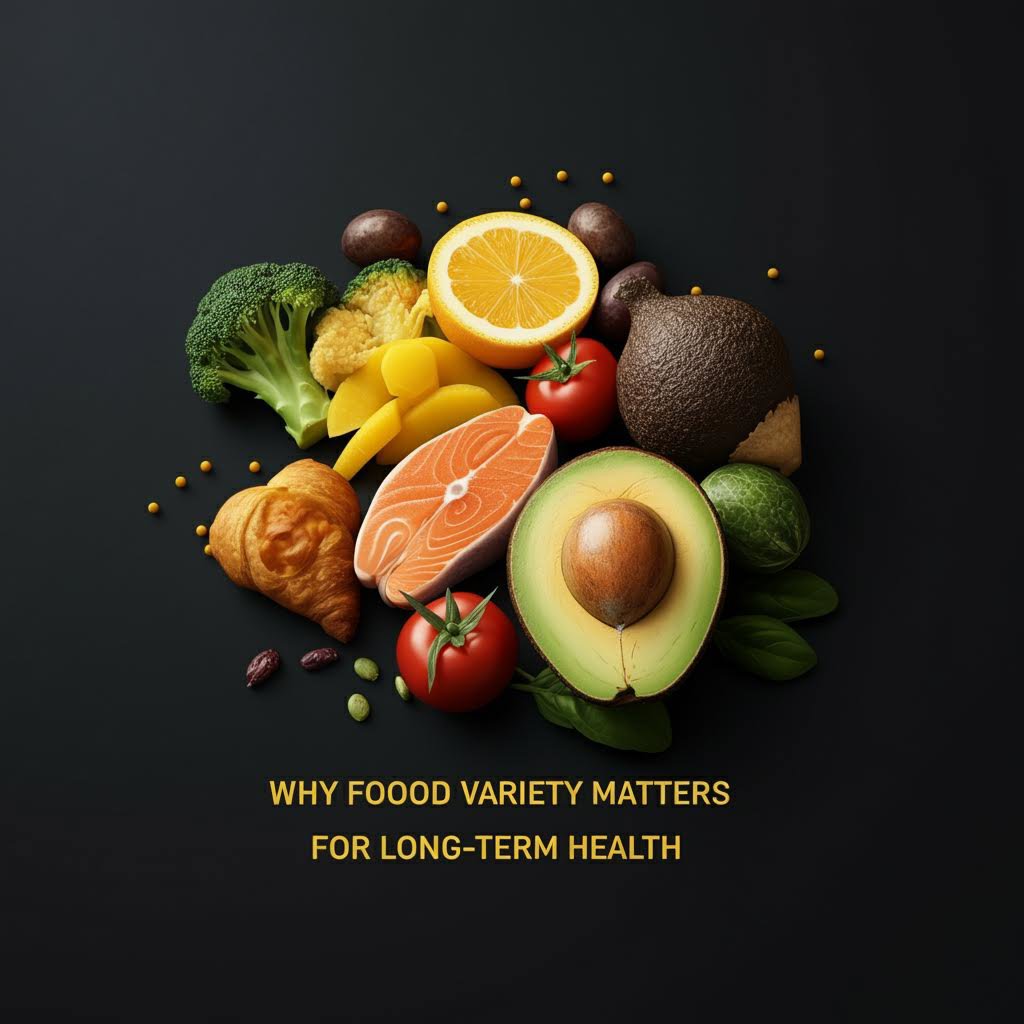
Ever wondered why nutritionists keep urging you to “eat the rainbow”? The secret isn’t just about pretty plates—it’s about unlocking the full spectrum of health benefits that only a diverse diet can deliver.
The Power of Food Variety: More Than Just a Trend
In a world obsessed with superfoods and fad diets, the simple act of eating a wide range of foods often gets overlooked. Yet, food variety is a cornerstone of long-term health. It’s not just about avoiding boredom at mealtime; it’s about ensuring your body gets the full array of nutrients, fibers, and beneficial compounds it needs to thrive[1].
Why Your Body Craves Diversity
Every food group—fruits, vegetables, grains, proteins, and dairy—offers a unique nutritional profile. No single food contains all the essential nutrients your body requires. For example, oranges are rich in vitamin C but lack vitamin B12, which is abundant in animal products. Leafy greens provide iron and folate, while nuts and seeds deliver healthy fats and magnesium. By mixing up your meals, you cover nutritional gaps and support every system in your body[2].
Gut Health: The Microbial Connection
Your gut is home to trillions of bacteria, collectively known as the microbiome. Research shows that a diverse diet leads to a more diverse gut microbiome, which is linked to better digestion, stronger immunity, and even improved mental health. One study found that people who ate a wider variety of fruits and vegetables had more beneficial gut bacteria, which helped reduce inflammation and protect against chronic diseases like heart disease and obesity[1].
Reducing Disease Risk: The Evidence Is Clear
Eating a variety of nutrient-dense foods is associated with a lower risk of metabolic syndrome—a cluster of conditions that increase the risk of heart disease, stroke, and diabetes. Studies using the Healthy Food Diversity index have shown that people with greater dietary variety have lower odds of developing metabolic syndrome and its components, such as high blood pressure and abnormal cholesterol levels[2].
Long-term research also reveals that those who follow diverse, balanced diets are less likely to develop major chronic diseases. For instance, men who most closely followed the Healthy Eating Pyramid guidelines were up to 20% less likely to develop a major chronic disease, and women saw an 11% reduction in risk[4].
Weight Management: A Double-Edged Sword
Food variety can help with weight management—but it’s all about the types of foods you choose. Increasing the variety of fruits and vegetables encourages higher intake of these low-calorie, nutrient-rich foods, which can help with weight loss and maintenance. However, expanding variety among energy-dense, processed foods can lead to overeating and weight gain[3].
The key? Focus on variety within healthy food groups. Rotate your choices of whole grains, lean proteins, and especially colorful produce to maximize benefits without falling into the trap of “variety” meaning more junk food.
How to Add More Variety—Without the Overwhelm
- Try new recipes weekly: Experiment with unfamiliar ingredients or cuisines to keep meals exciting and nutrient-rich[1].
- Eat the rainbow: Aim to include fruits and vegetables of different colors every day. Each color signals a unique set of phytonutrients and antioxidants.
- Mix up your grains: Swap white rice for quinoa, barley, or farro to boost fiber and micronutrient intake.
- Rotate protein sources: Alternate between fish, poultry, beans, lentils, tofu, and lean meats for a broader nutrient spectrum.
- Shop seasonally: Seasonal produce is often fresher, tastier, and more affordable, making it easier to diversify your diet.
Beyond Nutrition: The Joy of Discovery
Embracing food variety isn’t just about health—it’s about pleasure and discovery. Trying new foods can reignite your passion for cooking, introduce you to different cultures, and make mealtimes more enjoyable. This positive relationship with food can, in turn, support healthier eating habits for life.
Key Takeaways: Why Variety Wins
- Comprehensive nutrition: No single food supplies all essential nutrients; variety fills the gaps.
- Gut health boost: Diverse diets foster a robust microbiome, supporting immunity and digestion.
- Chronic disease defense: Greater food variety is linked to lower risks of heart disease, diabetes, and metabolic syndrome.
- Weight control: Variety in healthy foods helps manage weight, while too much variety in processed foods can backfire.
- Enjoyment and sustainability: Mixing up your meals keeps eating interesting and sustainable for the long haul.
Bottom line: Food variety isn’t just a nutrition buzzword—it’s a proven strategy for lifelong health, happiness, and resilience. So next time you plan your meals, remember: the more colors, flavors, and textures on your plate, the better your body—and your taste buds—will thank you.