The Physics of Movement in Human Exercise
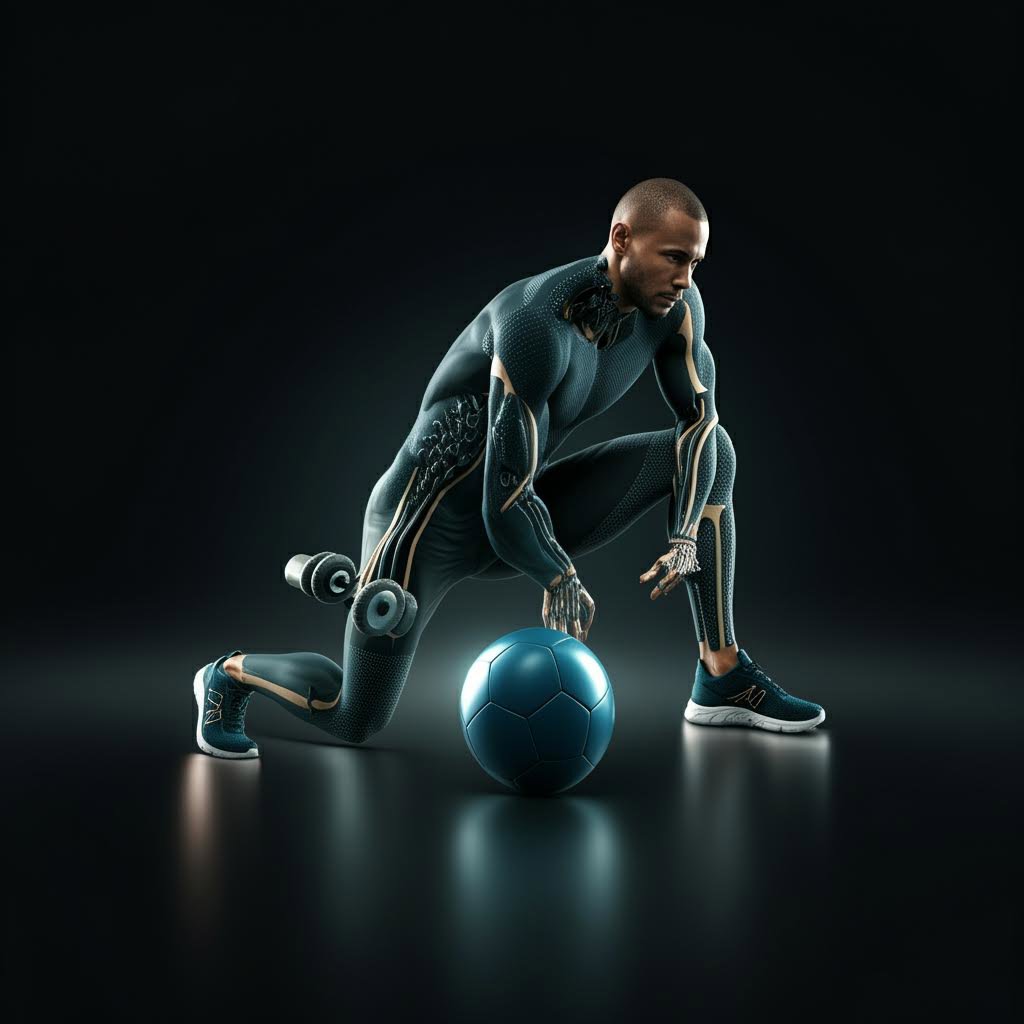
Ever wondered what really happens inside your body when you sprint, squat, or simply walk? The physics of movement in human exercise is a fascinating blend of mechanics, biology, and energy—revealing how we turn intention into action, and how science can help us move smarter, faster, and safer.
The Science Behind Every Move: Biomechanics Unveiled
At the heart of human exercise lies biomechanics—the study of how our muscles, bones, tendons, and ligaments work together to produce movement. Biomechanics applies the laws of physics to the human body, helping us understand not just how we move, but why certain movements are more efficient or safer than others. This field bridges the gap between anatomy and physics, offering insights that optimize performance and minimize injury risk[1][2][3].
Newton’s Laws: The Foundation of Human Motion
Every squat, jump, or push-up you perform is governed by Newton’s Laws of Motion:
- First Law (Inertia): Your body remains at rest or in motion unless acted upon by an external force. That’s why you need to push off the ground to start running.
- Second Law (F=ma): The force you generate (F) is the product of your mass (m) and acceleration (a). This explains why heavier weights require more force to lift.
- Third Law (Action-Reaction): For every action, there’s an equal and opposite reaction. When you jump, you push down on the ground, and the ground pushes you upward[1].
Levers, Torque, and the Body’s Mechanical Advantage
The human body is a system of levers—bones act as rigid bars, joints as fulcrums, and muscles provide the force. Understanding lever systems helps explain why some movements feel easier than others. For example, a biceps curl is a classic example of a third-class lever, where the muscle force is applied between the joint (elbow) and the weight in your hand. Torque, or rotational force, is crucial in movements like throwing or swinging, where the body rotates around a joint to generate power[1][3].
Kinematics and Kinetics: Describing and Explaining Motion
Kinematics describes motion—how fast you run, how high you jump, or the angle of your knee during a squat—without considering the forces involved. Kinetics digs deeper, analyzing the forces that cause or change motion, such as gravity, friction, and muscle contractions. Together, these concepts help coaches and therapists identify inefficiencies or risky movement patterns, leading to better performance and fewer injuries[3].
Center of Gravity, Balance, and Stability
Your center of gravity is the point where your body’s mass is concentrated. Maintaining balance during exercise—whether holding a yoga pose or landing from a jump—depends on keeping your center of gravity over your base of support. Athletes train to control their center of gravity, enhancing stability and agility in dynamic sports[1].
Muscle Mechanics: Force, Power, and Energy
Muscles generate force by contracting, pulling on bones to create movement. The amount of force depends on muscle size, fiber type, and neural activation. Power—the rate of doing work—is vital in explosive movements like sprinting or jumping. Efficient movement also relies on the body’s ability to store and release elastic energy in tendons and muscles, much like a stretched rubber band snapping back[1][2].
Movement Efficiency and Injury Prevention
Biomechanics isn’t just about performance—it’s about safety. By analyzing movement patterns, experts can spot inefficient techniques that waste energy or increase injury risk. For example, improper knee alignment during squats can strain ligaments, while poor running form can lead to overuse injuries. Optimizing movement means using the right muscles at the right time, with proper joint angles and force distribution[2][3].
Adaptation and Neuroplasticity: The Brain’s Role in Movement
Exercise doesn’t just shape muscles—it rewires the brain. Neuroplasticity allows the nervous system to adapt, improving coordination, balance, and skill acquisition. Regular physical activity enhances cognitive function and motor learning, while targeted therapies can help recover movement after injury or illness[4].
From Walking to Weightlifting: Real-World Applications
Whether you’re a runner, weightlifter, or weekend warrior, the physics of movement applies to every exercise:
- Running: Involves managing ground reaction forces, optimizing stride length, and maintaining efficient energy transfer[5].
- Strength Training: Relies on maximizing force production, leveraging joint angles, and controlling movement speed for power and safety[1][2].
- Balance and Flexibility: Require precise control of the center of gravity and joint range of motion, reducing fall and injury risk[4].
Conclusion: Move Smarter, Live Better
The physics of movement in human exercise is more than academic—it’s the key to unlocking your body’s potential. By understanding the mechanics behind every rep, stride, and stretch, you can train more efficiently, prevent injuries, and enjoy a lifetime of healthy, powerful movement.