Why Revisiting the Same Walking Route Can Reveal More Over Time
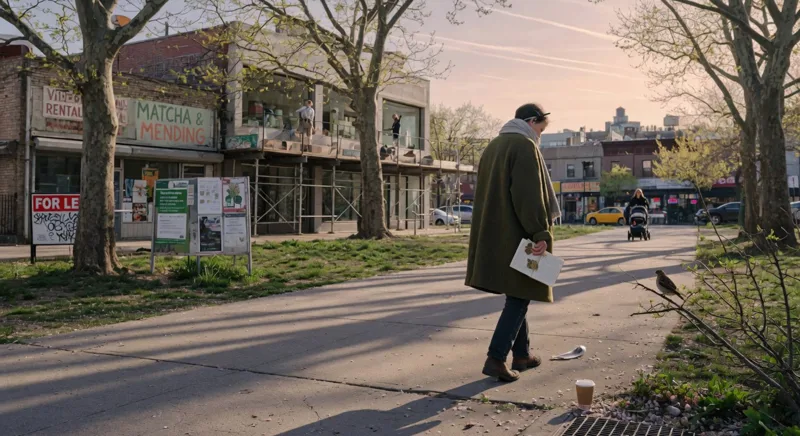
Why revisiting the same walking route can reveal more over time comes down to attention, memory, and changing conditions. A familiar path is never completely identical: light shifts, weather changes, wildlife appears, and your own mindset evolves. Each visit gives you another chance to notice what once escaped your attention.
Familiarity Makes Room for Deeper Observation
When you walk somewhere for the first time, much of your mental energy goes toward navigation. You are checking turns, reading signs, judging distances, and building a basic mental map. That leaves less attention for subtle details.
After several visits, the route becomes easier to navigate. Because you already know where you are going, your mind can notice smaller features, such as:
- A crack spreading across a pavement slab
- Bird calls coming from a particular group of trees
- Seasonal changes in flowers, leaves, or grass
- New construction, repairs, or changes to local businesses
- Patterns of light and shadow at different times of day
This is one reason a familiar walking route can feel increasingly rich rather than repetitive. The path stays recognizable, but your level of observation improves.
Attention Changes What You See
Seeing is not simply a matter of light entering the eyes. The brain filters and interprets information based on expectations, goals, memories, and attention. On an early walk, you may focus on reaching your destination. On a later walk, you might deliberately look for signs of wildlife, interesting architecture, or evidence of seasonal change.
That shift in focus changes the experience. The same street can become a birdwatching route, a photography walk, a nature trail, or a quiet place for reflection depending on what you are looking for.
Research on walking and attention also suggests that outdoor environments can support mental restoration. Studies have found that walks in nature may improve aspects of executive attention and working memory compared with some built environments.[1][2] A repeated route that includes trees, water, gardens, or open space may therefore provide both physical activity and an opportunity to reset mentally.
Every Visit Creates a Useful Comparison
Revisiting a walking route turns an ordinary stroll into a form of informal field observation. You begin to compare one visit with another:
| What changes | What you may notice |
|---|---|
| Season | Flowering plants, fallen leaves, migrating birds, or bare branches |
| Weather | Puddles, mist, wind movement, cloud formations, and altered sounds |
| Time of day | Different shadows, temperatures, traffic levels, and animal activity |
| Human activity | Events, deliveries, maintenance work, commuters, and neighborhood routines |
| Your own state | Changes in mood, energy, stress, curiosity, and personal perspective |
These comparisons make change visible. A tree that seemed ordinary in spring may become striking in autumn. A quiet street may feel completely different during a weekend event. Even a familiar view can reveal new layers when the conditions change.
Memory Builds a Personal Map of Place
Repeated walking strengthens your memory of the environment. You remember where the path narrows, where the pavement becomes uneven, and where a certain scent appears after rain. Over time, these details form a personal map that is more meaningful than a simple digital route.
That memory can also connect places with experiences. A bench may remind you of a conversation. A bridge may mark the point where you solved a problem. A particular corner may become associated with a season, a person, or a period of personal change.
This is why familiar places often feel comforting. They provide continuity while allowing new experiences to accumulate.
How to Notice More on a Familiar Walking Route
Choose a different walking purpose
Give each walk a simple theme instead of trying to notice everything at once. You might focus on sounds, textures, colors, signs of wildlife, or changes in architecture.
Change the timing
Walk the same route in the morning, afternoon, and evening. Different lighting and activity levels can transform the appearance and atmosphere of the path.
Slow down occasionally
A slower pace gives your senses more time to process detail. Pause safely at a viewpoint, listen for several minutes, or examine a plant you usually pass without noticing.
Keep a walking journal
Write down the date, weather, mood, and two or three observations after each walk. A simple walking journal makes gradual changes easier to remember and compare.
Take occasional photographs
Photographing the same tree, building, or landscape from a similar position creates a visual record of change. It can reveal growth, decay, renovation, and seasonal patterns that memory alone may miss.
Repetition Does Not Mean Boredom
Novelty attracts attention, but repetition can deepen it. When you revisit the same walking route, you move beyond basic orientation and begin to recognize patterns. The path becomes a living reference point where changes in nature, community, and personal experience become easier to see.
The next time a familiar walk seems predictable, try changing your pace, timing, or focus. You may discover that the route has not become less interesting—it has simply been waiting for you to look more closely.