Why a Calming Routine Does Not Need a Shopping List
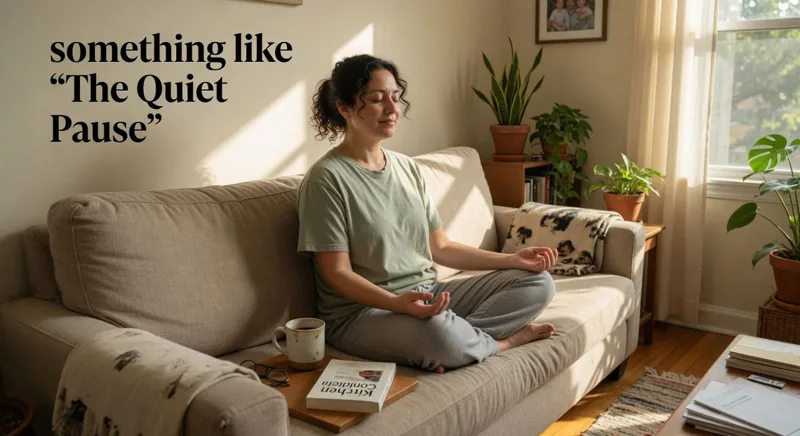
Why a calming routine does not need a shopping list is simpler than it sounds: relaxation comes from consistent, supportive habits—not from buying the perfect products. A few intentional minutes, familiar surroundings, and practices such as mindful breathing can create calm without adding cost or clutter to your day.
Calm Is a Practice, Not a Product
Wellness marketing often makes relaxation seem complicated. Candles, essential oils, weighted blankets, journals, apps, supplements, and special teas can all appear essential. They may be enjoyable, but none is required to begin a calming routine.
A calming routine is really a repeatable way to help your body and mind shift out of constant alertness. That shift can happen through ordinary actions: slowing your breathing, stretching, sitting quietly, taking a walk, or reducing evening stimulation.
The most effective routine is usually the one you can repeat. If it depends on expensive items, a large amount of free time, or a perfect environment, it may become another source of pressure.
What a Calming Routine Actually Needs
Most calming routines need only three ingredients:
- A small amount of time: Even five minutes can provide a useful pause.
- A simple activity: Choose something that settles your attention or relaxes your body.
- Consistency: Repeating the habit makes it easier to remember and maintain.
The World Health Organization notes that practicing stress-management techniques for a few minutes each day can be enough to build the habit.[1] This is encouraging if you are busy, managing a tight budget, or simply tired of complicated self-care advice.
Free Calming Techniques to Try Today
1. Practice mindful breathing
Sit comfortably and notice the natural movement of your breath. Breathe in gently through your nose and exhale slowly through your mouth. You can count from one to five on each breath if counting helps you stay focused.
The NHS recommends continuing a simple breathing exercise for at least five minutes, without forcing the breath.[3] If your thoughts wander, notice that they have wandered and return your attention to breathing. There is no need to “empty” your mind.
2. Relax your muscles
Stress often shows up physically through a tight jaw, raised shoulders, clenched hands, or a tense stomach. Slowly notice these areas and allow them to soften.
You can also try progressive muscle relaxation. Gently tense one muscle group for several seconds, then release it and notice the difference. Move through your hands, shoulders, face, legs, and feet. This requires no equipment and can be done in bed or at a desk.
3. Take a mindful walk
A walk can support both physical health and stress relief. Instead of treating it as exercise with a performance target, pay attention to your surroundings. Notice the temperature, sounds, colors, and feeling of your feet touching the ground.
A short walk after work or before dinner can become a practical transition between responsibilities and personal time.
4. Create a low-stimulation evening
A calming bedtime routine does not require a luxury sleep setup. Try dimming the lights, putting your phone away for a short period, preparing clothes for the next day, or reading something gentle.
The American Psychological Association recommends maintaining a consistent sleep routine that allows time to wind down before bed.[2] The routine itself matters more than having a particular sleep product.
Why Shopping Can Make Self-Care More Stressful
Buying wellness products is not automatically harmful, but shopping can become counterproductive when it creates financial pressure or unrealistic expectations. A person may keep searching for the “best” calming app, sleep aid, meditation cushion, or supplement instead of practicing a basic habit.
There is also a psychological trap: if calm depends on a product, you may believe you cannot relax without it. That belief makes ordinary moments—waiting in line, sitting in the car, or resting in bed—feel less useful than they really are.
| Instead of buying | Try using |
|---|---|
| A meditation cushion | A comfortable chair, sofa, or floor space |
| A relaxation app | A timer and five minutes of quiet breathing |
| A special journal | Any paper or a notes app for a brief reflection |
| A wellness drink | Water, or a familiar caffeine-free drink you already have |
How to Build a No-Cost Calming Routine
- Choose an anchor. Link your routine to something you already do, such as waking up, finishing work, or brushing your teeth.
- Start with five minutes. A small routine is easier to maintain than an ambitious one.
- Pick one method. Begin with breathing, stretching, walking, quiet sitting, or muscle relaxation.
- Remove one distraction. Silence notifications, step away from a busy room, or turn off the television.
- Review how it feels. Keep what helps and adjust what does not. A calming routine should support you, not become a test.
When Simple Routines Need Extra Support
Breathing exercises and daily habits can help manage ordinary stress, but they are not a substitute for professional care. If anxiety, panic, low mood, trauma symptoms, or sleep problems persist or interfere with daily life, consider speaking with a qualified healthcare professional.
A routine can complement therapy, medical treatment, social support, and other forms of care. It does not need to carry the entire burden by itself.
The Takeaway
Why a calming routine does not need a shopping list comes down to one powerful idea: calm is built through attention and repetition, not accumulated through purchases. Use the time, body, space, and resources already available to you. A few slow breaths, a quiet walk, or a consistent bedtime pause may be enough to begin creating a routine that feels sustainable, practical, and genuinely your own.